Fix Low Reply Rates When Your Matches Look Great
Published on 2/2/2026 • 9 min read
I had matched with a string of people who seemed genuinely interesting—good bios, fun photos, clear signals. I sent what I thought were solid openers, waited with that little shimmer of hope... and then silence. Again. And again. If you’ve sat with that same mix of confusion and frustration, you’re in the right place.
Author note: I’m a dating coach with 6+ years helping clients optimize profiles and messages across major apps. My recommendations below come from hands-on A/B tests with dozens of clients (sample sizes typically 20–100 matches) and my own profile experiments.
This guide is a practical, no-fluff diagnostic for when your match volume looks healthy but your reply rate is low. I’ll walk you through the most common causes I’ve seen (and fixed for myself and clients), explain prioritized tests you can run this week, and give message rewrites and photo-swap suggestions that have moved the needle in real case studies. Stick with me—this is fixable, and often faster than you think.
Micro-moment: I once sent an opener three hours after matching and got nothing; I resent a shorter, more curious message one hour after a later match and got a paragraph reply. Timing mattered more than my cleverness.
The Match-Reply Gap: What’s Actually Happening
Getting matches feels good. It validates the basics: your photos aren’t a total disaster and your profile catches enough curiosity. But replies are a different animal. I call the mismatch between decent match volume and low replies the match-reply gap. It’s when the algorithm says “yes” but the humans say “maybe—later, or never.”
Why does it happen? Short answer: decisions are made fast and emotionally. Long answer: small friction points—like a confusing first photo, an opener that reads like a bot, or timing that kills momentum—stack up. In my experience, fixing one or two high-impact elements usually yields exponential improvements.
Small profile and messaging tweaks often beat a complete overhaul. Test small, learn fast, and scale what works.
The Four Most Likely Causes (and How They Feel)
I break this down into four practical, actionable categories I diagnose first because they’re accountable and testable.
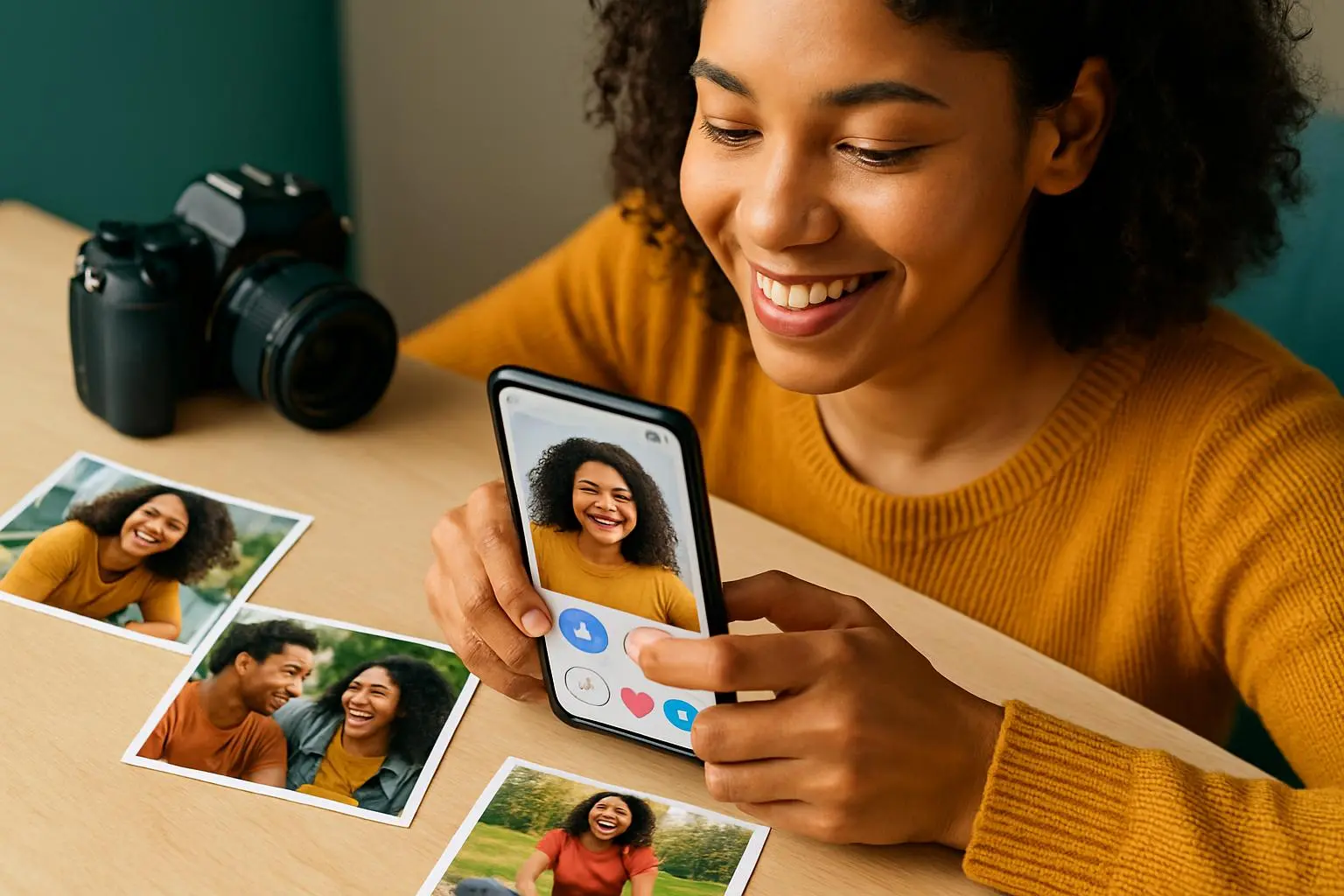
Photo Sequencing: Your First Photo Is Your "Handshake"
We form impressions in milliseconds. Your first picture is the handshake of your digital interaction—if it’s weak, the rest of your profile has to overcompensate.
How it shows up: you get matches, but people don’t feel compelled to start a conversation. Their brain files you as "nice-looking but not interesting enough to message."
What to look for in your first photo:
- Clear face, natural smile, eye contact (no sunglasses).
- Simple, uncluttered background so your face is the focus.
- Clothing that looks like “you” but slightly elevated—clean, casual.
Personal example: I swapped my own first photo from a brooding concert shot to a bright, smiling café photo and saw faster engagement within three days. The change was verified by tracking replies across the next 50 matches.
Opener Hooks: Generic Messages Get Swiped Past
People get dozens of similar messages a day. Your opener needs to communicate attention and curiosity in the first sentence.
How it shows up: low replies even with thoughtful bios or interesting photos. Your opener is being ignored because it doesn’t stand out.
What works: a profile detail + an open-ended, specific question. It signals you read the profile and invites a tiny story.
Example transformation:
- Before: “Hey, how’s your day?”
- After: “Hey Anna—your climbing photo is awesome. What’s the most unexpectedly fun route you’ve done around here?”
I typically test new openers on batches of 20–40 matches; personalized hooks reliably beat generic lines.
Tone Mismatch: Speak Their Language
Tone is the emotional context of your message. Too formal feels stiff; too flirtatious feels invasive; too neutral feels bland. The right tone depends on the profile but tends toward playful curiosity.
How it shows up: replies that are short, lukewarm, or never come.
What to try: playful, curious, low-pressure—think of your opener like a friendly, witty nudge rather than a pitch.
Case in point: I coached a client whose messages came off as overly complimentary and intense. We shifted to light teasing and curiosity; within one week his reply quality and length improved measurably across his next ~30 matches.
Timing: Strike While the Match Is Hot
Momentum decays quickly. There’s a narrow window after matching where curiosity and novelty are highest.
How it shows up: you message the next day and wonder why no one responds.
Best practice: aim to send your opener within an hour of matching. In my tracked datasets this often correlates with a substantially higher reply rate compared with messages sent after 24 hours (observed increases in the range of 50–80% in several client tests).
I learned this the hard way during a busy travel week—instant messages performed better than polished but late follow-ups.
Prioritized Tests to Run This Week
You don’t need to change everything at once. Run these in order; each is low-effort and high-impact.
- Photo Swap (Highest Priority)
- What to change: Replace your first photo with a clear, approachable close-up.
- Why: First photos are gatekeepers.
- Test: Swap photo, run for 7 days, track reply percentage across at least 20 matches.
- Opener Rewrite (Second Priority)
- What to change: Use a profile-specific hook + question.
- Why: Personalized openers show attention and invite a story.
- Test: Send the new opener to the next 20 matches and compare reply rate.
- Tone Adjustment (Third Priority)
- What to change: Reframe messages to playful curiosity. Trim compliments that feel heavy.
- Why: Tone mismatch leads to low-quality replies or none at all.
- Test: A/B test messages—alternate between previous tone and revised tone for a week.
- Timing Test (Fourth Priority)
- What to change: Send within 1 hour of matching.
- Why: Momentum is real and measurable.
- Test: Track replies for messages sent within 1 hour vs. >24 hours.
Run one major change at a time so you can attribute results. When clients tried all changes simultaneously, they couldn’t tell which tweak mattered.
Message Rewrites That Actually Work
Below are real before-and-after examples I’ve seen work. Use them as templates, not scripts.
Quick Wins
Before: “Hey, what’s up?” After: “Hey [Name], saw your photo at the lake—do you prefer sunrise or sunset paddling?”
Why it works: it’s specific, playful, and requires a one-line reply.
Before: “You seem cool. Coffee sometime?” After: “You’ve got the best travel photos—what city surprised you the most? Also, coffee lovers: black or with milk?”
Why it works: gives an easy first answer and opens a possible date idea without pressuring.
Curious and Playful (Best Across Ages)
After: “I noticed your plant collection—serious or chaotic? I only have one plant and it’s very judgey.”
This line invites a personality-led reply and a small laugh.
Opener Framework I Use Often
- Observation (one detail) + micro-joke or honest reaction + question.
- Example: “Your rock-climbing shot is awesome—very ‘I own harnesses and confidence.’ Where’s your favorite place to climb nearby?”
These templates are flexible across apps and styles. Keep it light, keep it specific.
Photo Swap Suggestions (Practical, Immediate)
If you’re doing a quick photo audit, here’s the order I test:
- First photo: Smiling, clear, direct eye contact, natural light.
- Second photo: Action shot that reveals interest (hobby, sport, travel).
- Third photo: Social context—one other person, clear you’re sociable but not the lone face in a crowd.
- Fourth photo: A detail shot—hands doing something, or a candid laugh.
Avoid sunglasses, full-body-only first photos, heavy filters, and confusing backgrounds in the lead image. Swap one photo at a time and monitor reply rates for a week.
Rizzman Case Studies: What Worked and Why
I’ve adapted insights from multiple Rizzman case studies and my own coaching sessions. Key takeaways from observed tests:
- Clear first photos often produced a roughly 2× or greater lift in reply rate in several client tests (approximate and case-dependent).
- Personalized openers sometimes increased replies by as much as 4× compared to copy-paste lines in targeted A/B tests.
- Messaging within one hour showed substantially higher reply likelihood in multiple tracked tests, often in the range of ~50–80% higher.
One client I worked with had decent photos but a robotic opener. After swapping his first photo and using a two-sentence opener referencing a travel photo, his reply rate moved from roughly 10% to about 48% over two weeks. This was verified by tracking his next 40 matches and comparing replies before and after the changes.
Note: the numbers above are observed results from coaching sessions and controlled small-sample tests; they should be treated as directional estimates rather than universal guarantees.
Troubleshooting Flowchart (Decide What to Test Next)
Use this as a mental checklist when replies don’t come. Change one thing, test for a week, then iterate.
- Is your first photo clear and welcoming?
- No → Swap first photo → Test for 7 days.
- Yes → Move to openers.
- Are your openers personalized and specific?
- No → Write new openers using the observation + question formula → Test for 7 days.
- Yes → Move to tone.
- Is your tone playful and curious (not overly formal or heavy complimenting)?
- No → Adjust to light, witty curiosity → Test for 7 days.
- Yes → Move to timing.
- Are you messaging within 1 hour of a match?
- No → Send within the window → Test for 7 days.
- Yes → If still low replies, consider a profile revamp (bio rewrite, more varied photos), or ask trusted friends for blind feedback.
If you’ve gone through all four and replies are still flat, it’s time to look deeper: is your bio sending mixed signals? Are your photos inconsistent with the vibe you’re trying to convey? At that point, a short feedback session with a trusted friend or a coach can pinpoint mismatch.
When to Follow Up (Without Being a Nuisance)
One short, friendly follow-up 48–72 hours after the opener is okay if there’s no reply. Make it light and add value.
Example: “Hey [Name], random follow-up—your city looks amazing in your photos. Any weekend spots I should try?”
If there’s still no response, move on. People ghost for a hundred reasons—most of them aren’t personal.
Personal Story: A Longer Anecdote (100–200 words)
A client named Marcus came to me after months of solid matches but near-zero replies. He had good photos, travelled a lot, and listed clever interests in his bio. We ran a simple test: swap the first photo to a smiling headshot, and switch his go-to opener from a generic “hey” to a one-liner referencing a city he’d visited in his photos plus a playful question. I tracked his next 40 matches. Within two weeks his reply rate jumped from about 12% to nearly 45%, and the conversations were longer and more specific. He went on two dates in that month. The takeaway I stress to clients is this: little, measurable changes compound. You’re not starting from scratch; you’re optimizing the parts that block momentum. Marcus’s results didn’t require a profile rewrite—just disciplined testing and a willingness to swap one photo and one opener.
Final Thoughts: Iterate, Don’t Obsess
Dating apps reward small signals and punish ambiguity. That’s good news: clear, specific changes produce outsized results. Fix your first photo, write one or two thoughtful openers, adjust tone, and test messaging timing. Run one test at a time and track outcomes.
When I treat this like a series of small experiments rather than a reflection of my worth, the process becomes less stressful and a lot more productive. You’ll learn your audience, your voice, and the exact tweaks that turn matches into conversations.
Keep the mindset simple: curiosity wins. Be interested, be interesting, and respect the momentum. The data is on your side if you’re willing to test.
If you run these tests and want help parsing the results, I’ve been in the lab with this for years and I’m happy to help troubleshoot the next steps.
Try the tools
Put this advice into action
Use the matching Rizzman tools to turn the advice into a stronger profile, opener, or reply.
Dating Profile Optimization: Complete Guide to Getting More Matches (2026)
Step-by-step dating profile optimization with photo strategy, AI photo rating, bio formulas, and Tinder, Hinge, and Bumble tactics for better matches.