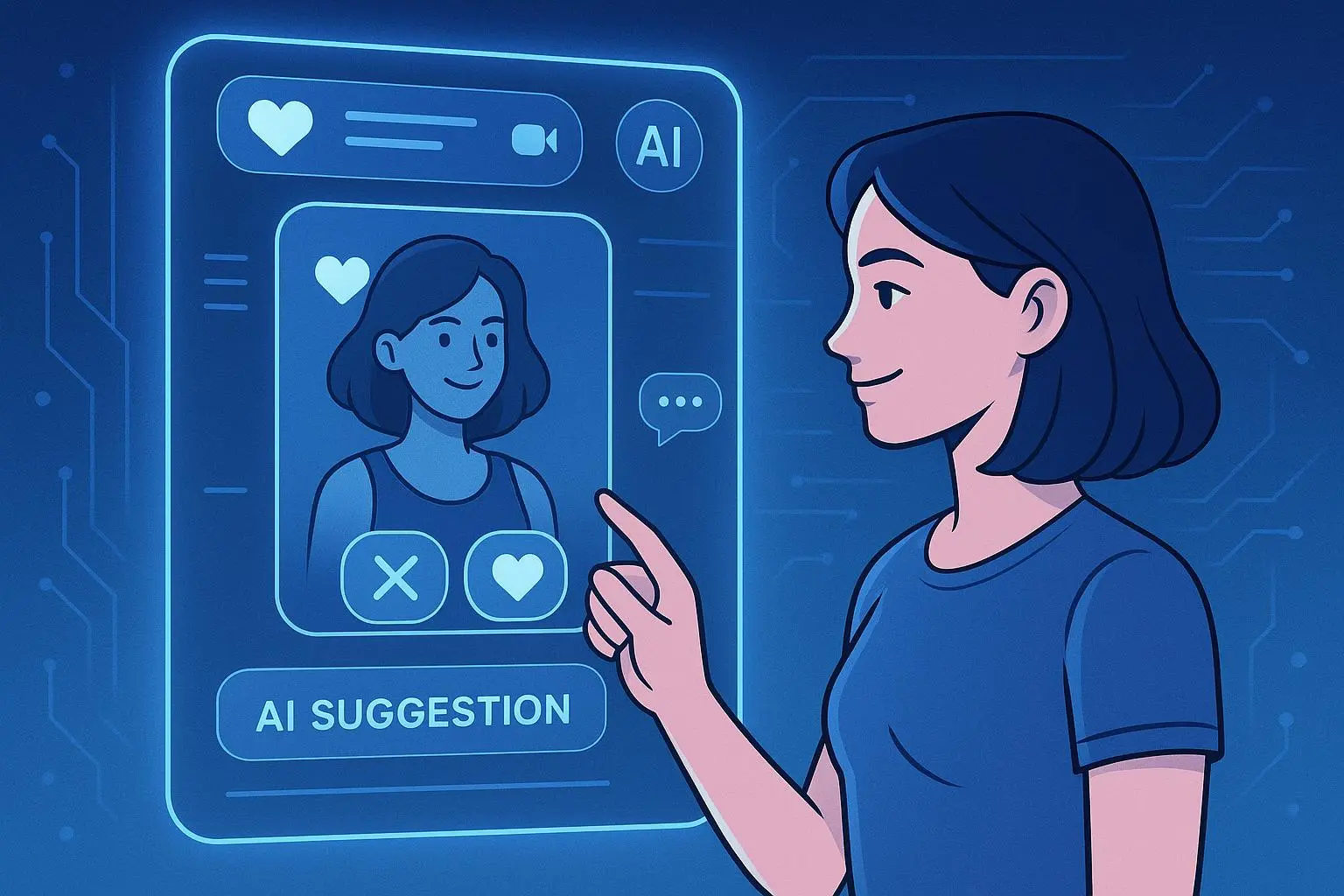
Why Gen Z Is Abandoning Dating Apps for Real-Life Connections
Published on 11/10/2025 • 8 min read
Something fascinating is happening. The generation that grew up swiping right is now paying for speed dating events and joining running clubs just to remember how to talk to someone face-to-face. Strava—a fitness tracking app—is going public because Gen Z is swapping dating apps for marathon training groups. Let that sink in.
This isn't just another trend piece. This is a fundamental shift in how young people approach romance, and it's happening faster than most dating app executives want to admit.
The Great Dating App Exodus
The numbers tell a story that Tinder, Bumble, and Hinge don't want you to see. While dating apps collectively pulled in $4 billion in revenue last year, user satisfaction has plummeted.[1] Young people are complaining about "dating app burnout" and "app fatigue"[2] while simultaneously discovering that—surprise—meeting people in three dimensions is actually kind of amazing.
Here's what's really happening: dating apps didn't fail you. They succeeded at exactly what they were designed to do—keep you swiping. But somewhere between the algorithm updates and the premium subscriptions, people forgot that apps were supposed to be a tool, not a replacement for human connection.
The same generation that treats their phone like a life-support system is actively choosing to put it down when it comes to romance. They're showing up to farmers markets, sober meetups, and—most tellingly—running clubs specifically because those spaces force actual interaction.
The irony: Dating apps made meeting people more convenient but made genuine connection harder. Now people are rediscovering that the "inconvenience" of real-life interaction is actually what creates chemistry.
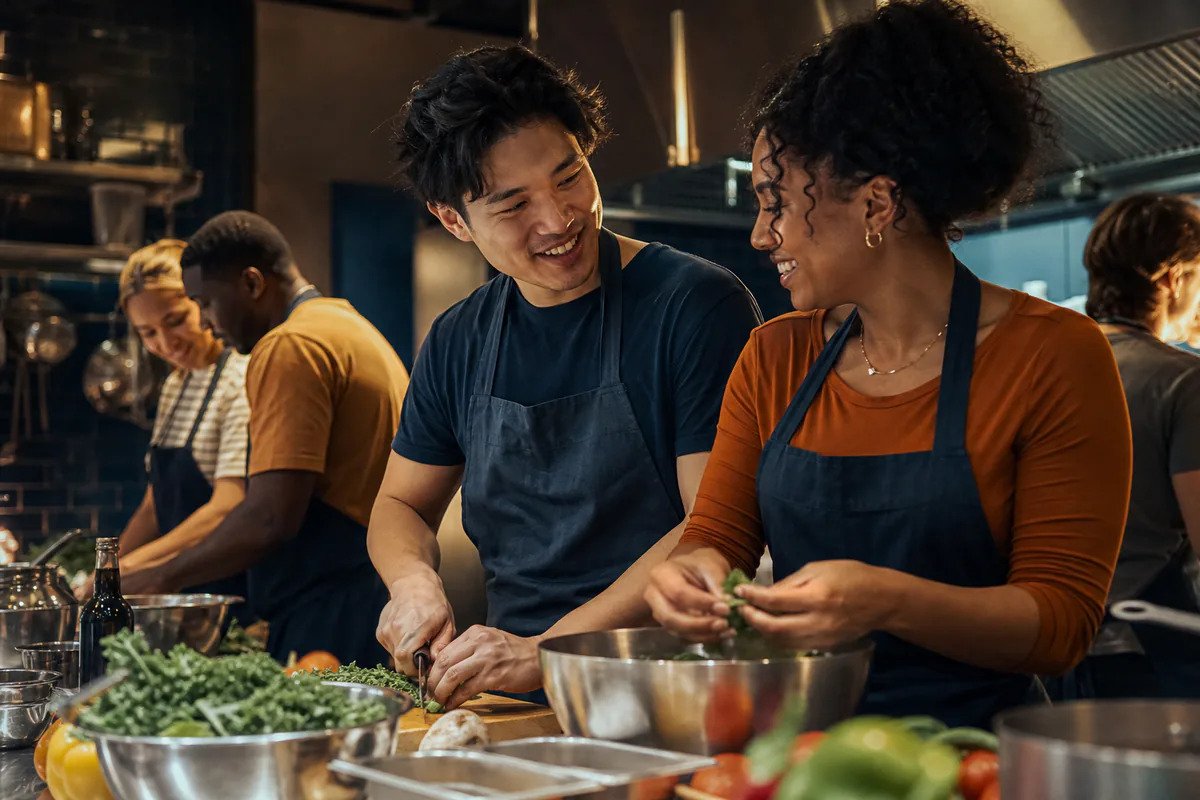
What Running Clubs and Dating Apps Have in Common (And Why One Is Winning)
Strava's upcoming IPO isn't a coincidence—it's a symptom of what Gen Z figured out before everyone else. When you're running with a group, you're too busy trying not to die to overthink whether you're saying the right thing. The conversation happens naturally because you're both experiencing something together, not performing for each other through a screen.
Compare that to dating apps, where every interaction is self-conscious. You're curating your photos, crafting your bio, workshopping your opening line. By the time you actually match with someone, you're exhausted from the performance before the conversation even starts.
Running clubs offer something dating apps can't: shared experience without the pressure of romantic evaluation. You're there to run. If you happen to connect with someone along the way? Bonus. But the activity itself has value, which takes the desperation out of the equation.
This is what dating apps fundamentally misunderstood. They turned meeting people into the entire activity, stripping away all the natural context that makes attraction possible. When meeting someone IS the point, the stakes feel impossibly high. When meeting someone is a pleasant byproduct of doing something you already enjoy? That's when chemistry actually happens.
The Algorithm Can't Manufacture Chemistry
Everyone's crying about "dating app fatigue," but that's not the real problem. The real problem is that people finally realized the apps aren't actually helping them find love—they're helping the apps find revenue.
Think about it: a dating app that works too well would lose users. A dating app that keeps you swiping, upgrading, and hoping? That's a business model. The incentive structure is fundamentally misaligned with what you actually want.
You don't need a better algorithm. You need better social skills, more genuine confidence, and the willingness to be rejected in person rather than through a notification. Those aren't things an app can give you, no matter how many premium features you pay for.
The apps gave you access to hundreds of profiles, but access isn't the bottleneck anymore. The bottleneck is your ability to create genuine connection, and that skill only develops through practice in actual human interaction—messy body language, awkward pauses, and all.
Speed Dating Makes a Comeback (And It's Not Your Parents' Version)
Farmers are hosting speed dating events. Sober meetups are turning into romance hubs. Book clubs are basically sophisticated matchmaking services now. What do all these have in common? They force you to interact with real humans using real social skills.
Speed dating in 2025 looks different than the wine-and-cheese events your parents remember. It's more casual, more creative, and honestly more effective than matching with someone who looked good in five carefully curated photos taken three years ago.
Here's what makes modern in-person dating events work: immediate feedback. You know within 30 seconds if there's chemistry. You don't waste three weeks texting someone only to discover in person that the vibe is completely off. The efficiency is actually better than apps, without any of the algorithm manipulation.
Plus, there's something refreshingly honest about in-person rejection. When someone isn't interested at a speed dating event, you move on to the next person in three minutes. When someone ghosts you after two weeks of texting, you're left wondering what happened for way too long.
The Skills Dating Apps Let You Avoid
Dating apps allowed an entire generation to avoid developing crucial social skills: reading body language, managing in-person rejection, starting conversations with strangers, and creating chemistry in real-time.
Those skills atrophy when you spend years behind a screen. You get really good at crafting the perfect text but forget how to hold eye contact. You learn to present a curated version of yourself but lose touch with how to be genuinely present with another person.
Gen Z is realizing—sometimes painfully—that they optimized for the wrong skills. Being good at texting doesn't translate to being good at dating. Being good at picking photos doesn't translate to being charismatic in person. And having 200 matches doesn't matter if you can't turn any of them into actual relationships.
The people who are thriving in the post-app dating landscape aren't necessarily the most naturally charming. They're the ones willing to re-learn how to be uncomfortable, how to approach someone without the safety net of digital distance, and how to handle rejection without being able to just unmatch and pretend it didn't happen.
Why This Shift Is Actually Good News
If you're reading this and feeling behind because you relied heavily on apps, here's the good news: everyone is relearning this together. The playing field is more level than it's been in a decade.
The people who were great at gaming dating apps? Those skills don't transfer. The people who photograph well but struggle with in-person charisma? They're starting from scratch just like everyone else. The advantages that made someone a "catch" in the app ecosystem—witty bios, professional photos, strategic profile optimization—matter way less when you're standing across from someone at a pottery class.
This is your opportunity to build genuine social confidence. Not the artificial confidence that comes from getting matches, but the real confidence that comes from repeatedly putting yourself in slightly uncomfortable social situations and realizing you can handle it.
What This Means for How You Should Approach Dating
Stop treating dating apps like they're going to do the work for you. The apps are just the introduction—your confidence, presence, and authenticity close the deal. People are getting catfished and ghosted because they're hiding behind screens instead of showing up as their real selves.
If you can't create a spark through a phone, you're not going to magically find it in real life. But the reverse is also true: if you can create connection in person, the texting part becomes way easier because there's actual foundation to build on.
Here's what successful daters are doing now:
They use apps strategically, not exclusively. Apps become a supplement to—not a replacement for—meeting people through activities, hobbies, and social events.
They prioritize activities that naturally facilitate meeting people. Running clubs, climbing gyms, book clubs, volunteer groups. Anywhere people gather around a shared interest creates opportunities for organic connection.
They move from text to in-person quickly. Within 3-4 days of matching, they suggest meeting up. The goal isn't to build a perfect text relationship—it's to figure out if there's real chemistry worth exploring.
They accept that in-person rejection is part of the process. Every awkward interaction is practice. Every "not interested" is feedback. The people who succeed aren't the ones who avoid rejection—they're the ones who handle it better because they've built up the tolerance.
The Apps Aren't Going Away (But Your Relationship With Them Should Change)
This isn't about completely abandoning dating apps. It's about putting them in their proper place: as one tool among many, not as the only way to meet people.
If you're going to use apps, use them with intention. Set specific time limits. Don't let swiping become a mindless habit. Treat matches as introductions, not as relationships. And for the love of everything holy, stop using the number of matches as a measure of your worth.
The people who are finding success in the current dating landscape are the ones who recognize that apps can facilitate introductions but can't create chemistry. They use apps to identify potential connections, then quickly move to contexts where genuine attraction can actually develop.
How to Transition from App-Dependent to Socially Confident
If you've relied heavily on dating apps and the thought of approaching someone in real life makes you want to crawl into a hole, start small. You don't have to immediately start speed dating or joining marathon clubs.
Begin by getting comfortable with casual social interaction in low-stakes environments. Strike up conversations with baristas, chat with people at the dog park, make small talk in line at the grocery store. The goal isn't to date everyone—it's to remember that talking to strangers is a normal human skill you can relearn.
Join activity groups specifically because the activity interests you, not because you're hunting for dates. This removes the desperation and lets you build social confidence naturally. When you're focused on learning to rock climb or perfecting your sourdough starter, the pressure to perform romantically disappears.
Notice when you're using your phone as a social crutch. Waiting for your coffee order? Don't immediately pull out your phone. Standing in line? Look around, make eye contact, smile at people. These micro-interactions rebuild the social muscle memory that apps let atrophy.
The Real Cheat Code Was Never in Your Phone
Here's what the Gen Z exodus from dating apps is really telling us: the best relationships come from being interesting, not from being good at apps. Attraction happens when you're busy becoming someone worth knowing, not when you're staring at a screen begging for validation.
The algorithm can't teach you how to hold eye contact or make someone laugh. It can't help you develop genuine confidence or authentic charisma. Those things only develop through repeated exposure to real human interaction, with all its awkwardness and unpredictability.
While everyone else is optimizing their dating app profiles, you could be out there developing actual personality, real interests, and genuine social skills. Guess which strategy leads to better relationships?
Where to Start If You're Ready to Ditch the Apps
Look for activities in your area that naturally bring people together: running clubs, climbing gyms, board game meetups, book clubs, volunteer organizations, cooking classes, art workshops, language exchange groups.
The key is choosing activities you're actually interested in, not activities you think will have attractive singles. When you're genuinely engaged in something you care about, you're automatically more attractive because you're being authentic rather than performing.
Start with low-commitment events. Drop-in classes, one-time workshops, casual meetups. This lets you test different environments without feeling trapped if it's not your scene.
Remember that the goal isn't to meet your soulmate at the first event. The goal is to rebuild your comfort with in-person social interaction and expand your social circle. Romantic connections often come through extended social networks anyway—friends of friends, acquaintances from hobby groups, etc.
The Bottom Line
The dating app revolution is over, and the counter-revolution has begun. Gen Z figured out what many people are still learning: real connections require real presence, and no algorithm can substitute for genuine human chemistry.
You can either keep swiping and wondering why nothing sticks, or you can join the growing number of people rediscovering that the "inconvenience" of meeting people in real life is actually what makes it magical.
The real cheat code was never in your phone. It was always in your willingness to show up as yourself, handle rejection with grace, and keep putting yourself in environments where genuine connection can happen.
Stop blaming the algorithm and start being the person worth meeting. The matches are there. The question is: is your energy?
FAQ: Moving Beyond Dating Apps
Should I delete all my dating apps?
Not necessarily. Use them strategically as one tool among many, but don't let them be your only way of meeting people. Set time limits, be intentional about when you swipe, and move to in-person meetings quickly.
What if I'm not athletic enough for running clubs?
Running clubs welcome all fitness levels, but there are hundreds of other options: book clubs, board game groups, volunteer organizations, cooking classes, art workshops. Pick activities you actually enjoy.
How do I start a conversation with someone in real life?
Start with low-stakes comments about the shared context: "Have you been to this coffee shop before?" or "That's a great book—what do you think so far?" The key is making conversation about the situation, not about them specifically.
Is it weird to join activities specifically to meet people?
It's only weird if you're obviously just there to hit on people. Join because the activity genuinely interests you, then let connections happen naturally. The activity gives you built-in conversation topics and takes pressure off.
Ready to Build Real Social Confidence?
While you're transitioning to more real-life connections, Rizzman can help bridge the gap. Use it to practice conversation skills, get feedback on your communication style, and build confidence before stepping into those in-person interactions.
Because the goal isn't to depend on technology forever—it's to use it strategically while you're developing the real social skills that create genuine connections.
References
Footnotes
-
South Denver Therapy. (2024). Dating App Statistics 2025: The Complete Guide. South Denver Therapy Blog. ↩
-
JPLoft Technologies. (2024). Dating App Statistics 2024: User Behavior and Engagement Insights. JPLoft Blog. ↩
Try the tools
Put this advice into action
Use the matching Rizzman tools to turn the advice into a stronger profile, opener, or reply.
Modern Dating App Survival: Your Complete Platform Guide
Master modern dating apps with expert strategies for video profiles, AI matchmaking, platform tactics, safety, and better etiquette.