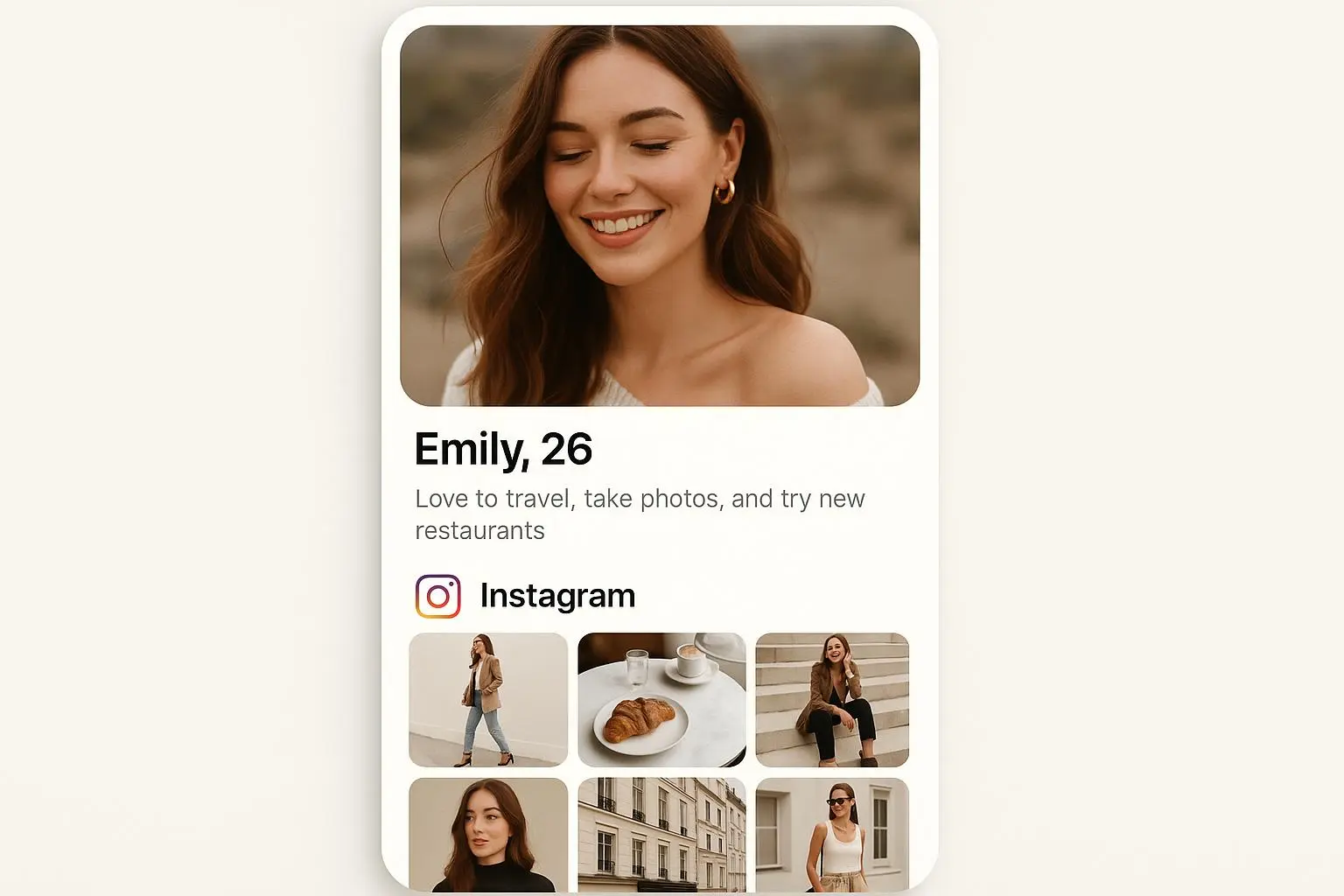
Using AI on Dating Apps Without Legal Trouble
Published on 12/3/2025 • 8 min read
I still remember the first time I used AI to help write a message on a dating app. It felt like a secret weapon: polished phrasing, a clever opener, and suddenly my typos and awkward pauses were gone. It worked — I got a reply. A few days later, though, a friend said parts of my profile sounded like a public figure had written their autobiography. That stung. I realized I’d blurred the line between enhancing my voice and pretending to be someone else.
That moment is the heartbeat of this piece: AI can be an excellent writing assistant, but when it speaks for you in personal interactions — especially on dating apps — convenience comes with legal and ethical landmines. Below is a clear, practical guide to impersonation, defamation, and data misuse, where the red lines are, and what to do if AI gets you into trouble.
Why this matters more than you think
Dating depends on trust. When AI speaks for you, that trust can become fragile fast. The law treats online conduct similarly to offline conduct: pretending to be someone else, spreading false damaging statements, or using private data without consent can lead to civil claims, platform bans, fines, and sometimes criminal charges.
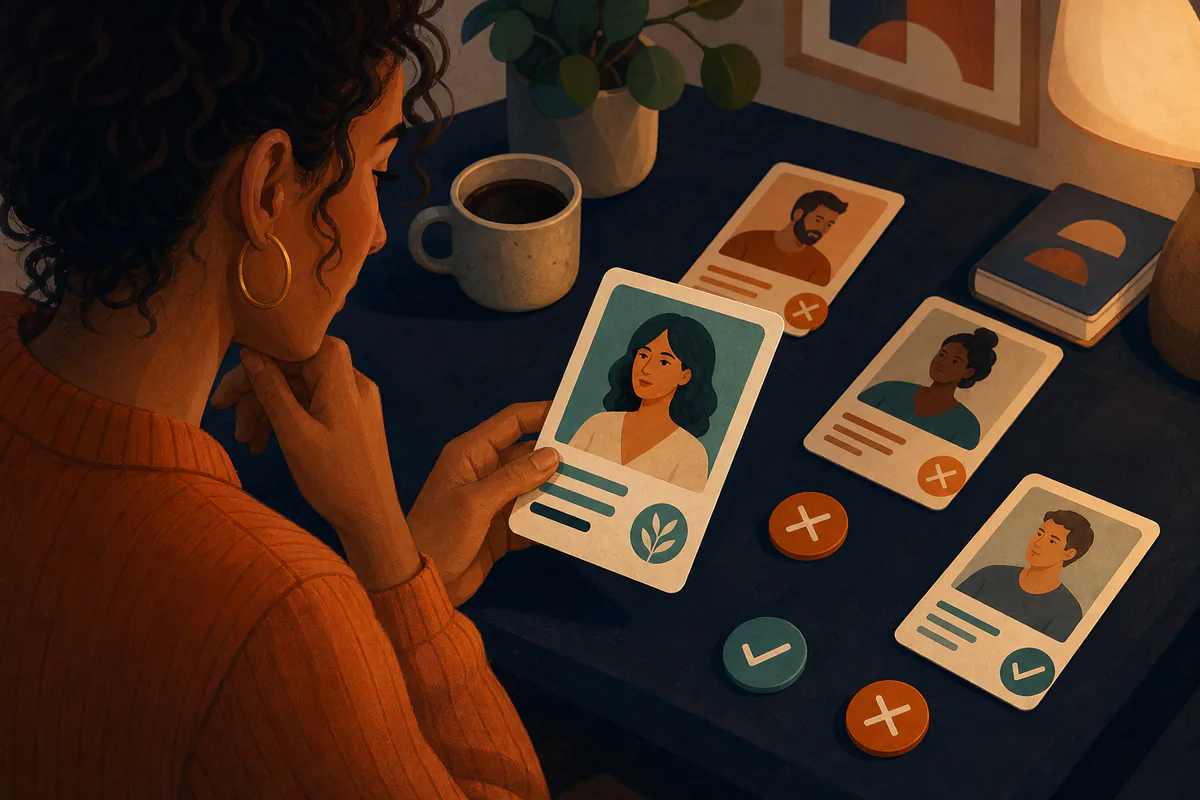
A quick real-world example from my own work: in 2022 I helped a client rebuild a dating profile after an AI-generated bio led to a platform ban and a threatened takedown notice. Timeline: they posted the AI draft in March, were reported in April, and after two weeks of appeals and removing the content their account was reinstated—but not before losing six weeks of matches and paying a small fee to verify identity. That incident cost emotional time, networking opportunity, and about $250 in verifications and lost dates. Concrete outcomes like that are why a few minutes of caution are worth it.
Micro-moment: the tiny test I use
Before I post anything AI‑assisted, I read it aloud while walking to the kitchen. If I hesitate, I edit. If you feel a pause, that’s your red flag too.
Three core risks (and how they overlap)
- Impersonation: pretending to be someone else (photos, identity, voice).
- Defamation: publishing false, reputation-harming statements.
- Data misuse: using other people’s photos or private messages without consent.
Each risk can trigger platform enforcement, civil liability, or—when fraud or theft is involved—even criminal charges. The right habit is to treat each AI output as draft material, not final copy.
Impersonation: where the line is and why it’s dangerous
What counts as impersonation
- Using someone else’s photos, name, or personal details.
- Letting AI generate a profile that closely mimics a real person (celebrity or acquaintance).
- Sending messages that claim to come from another person.
If a reasonable person would believe your profile or messages are from someone else, you’re in risky territory.
Legal consequences (jurisdictional nuance)
- Criminal law: In the U.S., impersonation can trigger identity-theft or wire-fraud statutes when used to obtain money or access. Some states have specific impersonation laws. In the EU and UK, severe cases involving fraud can also lead to criminal charges.
- Civil claims: Victims can sue for emotional distress, invasion of privacy, or reputational harm. Courts often focus on harm caused, not just intent.
- Platform consequences: Dating apps enforce anti-impersonation rules; expect profile removal or bans.
Red lines you should never cross
- Don’t use someone’s photos or closely mimic their life story without explicit permission.
- Avoid AI-generated images clearly modeled on a real person’s likeness.
- Never let AI send messages that claim to be from another person.
Defamation: when AI’s creativity becomes your legal exposure
What defamation looks like on dating apps
Defamation is publishing a false statement that harms someone’s reputation. Examples:
- An AI-crafted message accusing a match of cheating without proof.
- A profile that invents scandalous facts about a named person.
- Gossip in private messages that later becomes public.
Who’s responsible? Usually you are.
The law typically treats the human who publishes content as responsible. Saying “the AI wrote it” won’t absolve you from civil liability for defamatory statements.
Concrete example
A friend’s client posted a snarky AI line about an ex in a profile in 2021. The ex’s friends circulated screenshots; the client received threats and a takedown notice. They removed the content, issued an apology, and avoided a suit—luck played a part. The takeaway: an impulse to be funny can become costly.
How to avoid defamation
- Don’t invent allegations. Stick to verifiable facts.
- Avoid naming people in suspicious or negative claims.
- Before publishing, ask: could this sentence hurt someone if repeated publicly?
Data misuse: the privacy pitfalls of using other people’s information
What counts as data misuse
- Scraping photos or bios from social media to create a fake profile.
- Feeding private conversations or images into AI without permission.
- Sharing a match’s personal details in third-party tools without consent.
Legal and regulatory nuance
- EU (GDPR): Processing someone’s personal data without a lawful basis (like consent) can lead to enforcement actions and fines. GDPR treats biometric and identity data as sensitive.
- U.S.: There’s no single federal privacy law equivalent to GDPR. Instead, states like California (CCPA/CPRA) have privacy protections and potential statutory remedies; other states are following. The FTC has warned against AI tools designed to deceive consumers.[1]
- Platform and civil risk: Even where criminal charges are unlikely, platforms will suspend accounts that scrape or misuse data; victims can pursue civil claims.
Practical safe harbor: consent
Get explicit, informed consent before using someone’s photo or private information. Written or screenshoted consent is a practical safeguard.
Sample consent language (ready to copy)
"Hey — I’d like to use this photo/quote to test an AI prompt that helps me write better messages. I won’t post it publicly or share it with third parties. Do I have your permission? Reply YES if you agree."
When to stop: warning signs you’re crossing the line
If any of these are true, pause and reassess:
- The content uses someone else’s photos or detailed life story.
- The tone is humiliating, threatening, or accusatory.
- You’re using private messages or images you didn’t obtain with permission.
- The AI output impersonates a public figure or acquaintance.
- The text would cause real-world harm if publicized.
Practical rules I use (quick checklist)
- Be honest: use AI to enhance, not replace, your voice.
- Don’t upload other people’s private data into AI tools.
- Avoid naming real people in juicy or unverified statements.
- Get consent for images and personal details; keep a record.
- Review and edit every AI suggestion before posting.
Ready-to-copy ethical prompt template (safe, keeps your voice)
"Draft a first-message to someone on a dating app who likes hiking and indie music. Keep it friendly, 2 short sentences, use my voice (casual, slightly witty), and do not mention or reference any real person’s private info or photos. Output three brief variations."
Example: AI output before and after editing
Before (raw AI output):
"You look like the kind of person who leaves city girls behind and hikes with exes who cheated — love that about you."
After editing (safe, humanized):
"Hi — I noticed you love hiking and indie music. Any favorite trail or band I should check out?"
Why that edit works: it removes accusation, keeps curiosity, and sounds like a real conversation starter.
If things go wrong: steps to limit damage
Act fast:
- Remove offending content immediately. That reduces harm and shows good faith.
- Apologize sincerely and concisely.
- Preserve evidence (screenshots, timestamps, consent records).
- Report and cooperate with the platform’s investigation.
- Seek legal help if you get a cease-and-desist, takedown, or lawsuit — missing deadlines makes things worse.
Where to get help (official resources and practical options)
- FTC (U.S.) — file complaints on deceptive practices or privacy concerns.[1]
- EU Data Protection Authorities — contact your national DPA for GDPR issues.
- Local legal aid clinics — many offer low-cost help for online harassment and privacy matters.
- Tech-focused attorneys — firms that specialize in internet law, defamation, and privacy.
- Cyber civil-rights groups — practical help and referrals for online harassment victims.
If you receive legal papers: don’t ignore them. Even if a notice seems baseless, talk to a lawyer and meet response deadlines.
Final thoughts: keep your humanity in the loop
Treat AI like a co-writer that needs supervision. Keep your voice, judgment, and moral compass at the wheel. A short habit that saved me: read new drafts out loud before sending. If I hesitate, I change it.
Small efforts — asking for permission, fact-checking, and thinking twice before hitting send — keep your dating life about romance, not legal trouble.
Use AI to amplify your humanity, not replace it.
If you’d like, I can draft a short, ethical prompt pack tailored to your voice. If so, tell me your general tone (witty, earnest, reserved) and one hobby to reference.
References
Footnotes
-
Federal Trade Commission. (2024). FTC cautions against use of AI designed to deceive. FTC guidance and notices. ↩ ↩2
Try the tools
Put this advice into action
Use the matching Rizzman tools to turn the advice into a stronger profile, opener, or reply.
Modern Dating App Survival: Your Complete Platform Guide
Master modern dating apps with expert strategies for video profiles, AI matchmaking, platform tactics, safety, and better etiquette.